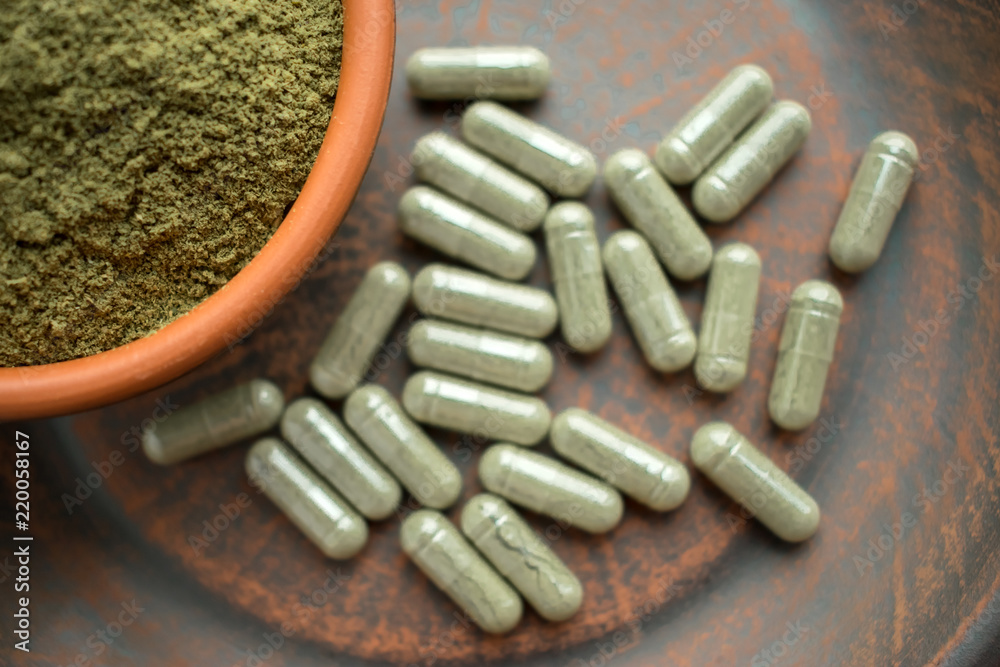
Kratom, scientifically website known as Mitragyna speciosa, is a tropical evergreen tree native to Southeast Asia. Harvested from the lush rainforests of Borneo and Sumatra, this herb has become a staple in the natural health community.
Although it has ancient roots, modern science is just beginning to understand the complex alkaloids that make this plant so unique. Its chemical profile is rich in alkaloids, specifically mitragynine, which is responsible for the majority of its effects.
Breaking Down the Vein Colors: Red, Green, and White
If you are new to the world of speciosa, you might be overwhelmed by the choices between red, green, and white strains. Each color represents a different maturity level and drying process, leading to a unique alkaloid profile.
1. Red Vein Kratom
Red vein leaves are the most mature and are widely known for their calming properties. They are often used in the evening to promote restful sleep and alleviate physical discomfort.
2. White Vein Kratom
On the opposite end of the spectrum, white vein kratom is harvested early and is known for its stimulating effects. Think of this as the "daytime" strain, perfect for productivity and social gatherings.
3. Green Vein Kratom
Green strains are often considered the most versatile, providing mild energy followed by a sense of calm. This is often recommended for beginners because the effects are moderate and well-rounded.
Important Safety Advice for New Users
The "Golden Rule" of Kratom is simple: Less is more. Beginners should always start low, perhaps with just half a teaspoon, to see how their body reacts.
Side effects like headaches or nausea are often just signs of dehydration, so keep your water intake high. Always ensure you are buying from vendors who perform third-party lab testing.
Whether you are seeking relief, energy, or balance, there is likely a strain that fits your needs perfectly. With the right approach, this plant can be a valuable addition to a holistic wellness routine.